How to write a biography: complete 2026 guide (methods, prices, tips)
How do you get your biography written? Professional biographer, AI or on your own: methods, prices and results compared side by side.
Table of contents
- What is a biography?
- Why have your biography written?
- The 4 methods for writing your biography
- Comparison table of methods
- How to choose a professional biographer
- The AI alternative: how it works with Raconteo
- The steps to having your biography written
- How much does it cost to have your biography written?
- Frequently asked questions
- Take the leap: your story deserves to be told
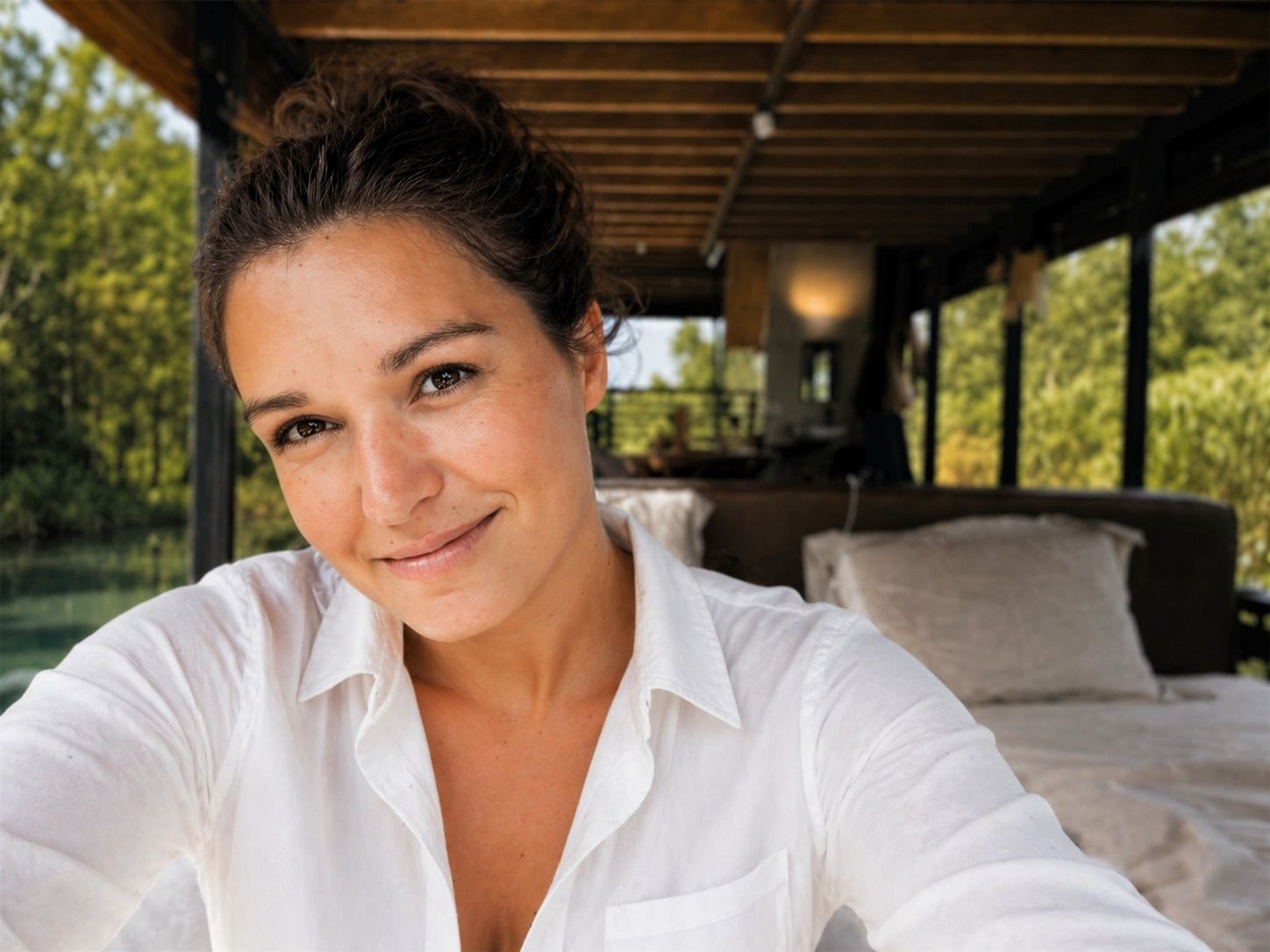
Anne-Charlotte Triplet — sociologist and co-founder of Raconteo. She has spent three years studying how families pass their memory on, and has guided several hundred memoir books. More about her.
You've been thinking about it for years. Your loved ones keep telling you: "You should write a book!" But where do you start? How do you transform 60, 70 or 80 years of memories into a captivating narrative? Do you need to hire a professional biographer? Will it cost a fortune?
In 2026, having your biography written is no longer a luxury reserved for public figures. New solutions, including artificial intelligence, have democratized the creation of biographical books. Whether you want a personal, intimate biography for your family or a more ambitious narrative, there is now a method suited to every budget and every ambition.
This comprehensive guide reviews all the options for writing your biography, compares prices, advantages and limitations of each approach, and helps you choose the one that's right for you.
What is a biography?
Before getting started, let's clarify the terms. People often confuse biography, autobiography, memoirs and life story. Yet these formats have important differences.
Biography vs autobiography: what's the difference?
The question of the biography vs autobiography difference comes up constantly. For a detailed breakdown, read our dedicated article on autobiography vs biography. Here's the essence:
- A biography is the account of a person's life, written by someone else: a biographer, a journalist, a relative. We say "a biography of" someone.
- An autobiography ("my autobiography") is written by the person themselves. It's a direct exercise in introspection, in the first person.
In practice, when we talk about having your biography written, we're often somewhere in between: you tell your life story, and someone else (a professional biographer or an AI) shapes the narrative. This is sometimes called an "assisted life story" or a private biography.
The different formats of life narratives
| Format | Who writes? | Scope | Example |
|---|---|---|---|
| Biography | A third party (biographer) | An entire life | Steve Jobs by Walter Isaacson |
| Autobiography | The person themselves | An entire life | Words by Jean-Paul Sartre |
| Memoirs | The person themselves | A period or theme | War memoirs, writing your memoirs |
| Life story | The person, assisted | Selected memories | Family book, family biography |
| Memory book | Variable | Memories and anecdotes | Giving a memory book as a gift |
The good news: whichever form you choose, the methods presented in this guide apply. The goal remains the same: having your life written to pass it on.
Private biography vs public biography
A crucial point that many overlook: your biography doesn't need to be published. The vast majority of biographies created today are private biographies, intended for family and loved ones. No publisher needed, no literary jury, no media pressure.
A family biography is an invaluable gift for future generations. It's the story of your origins, your journey, what shaped you. For your grandchildren who will never have known the era in which you grew up, it's literally a journey through time.
Why have your biography written?
Pass it on before it's too late
This is the number one reason. Every day, extraordinary life stories disappear with those who carry them. Childhood memories in a village that no longer exists, stories of vanished trades, life lessons accumulated over decades: all of this evaporates if nobody records it.
Writing your biography is creating a bridge between generations. It's giving your children and grandchildren the opportunity to truly know you, beyond the role of parent or grandparent. If you're interested in genealogy, also discover how to write your family history.
The personal benefits
Writing your biography (or having it written) is also a gift you give yourself:
- Finding meaning: reviewing the thread of your life lets you see coherence where you saw chaos
- Taking stock: an exercise in clarity and gratitude, particularly beneficial in retirement
- Healing: autobiographical writing has therapeutic virtues recognized by psychology
- Existing beyond time: knowing that your words will survive is a powerful anchor
- Strengthening bonds: the creative process often involves loved ones and generates exchanges of unexpected richness
At what age should you start?
There's no ideal age for writing a biography. Some start at 50, when their own parents are ageing and the urgency of passing things on becomes apparent. Others wait for retirement to have the time. Still others begin at 85, encouraged by their grandchildren.
The only bad time is the one you keep putting off. Memory fades, witnesses disappear, details blur. If you're thinking about it today, today is the right time.
When the subject is not you but an ageing parent or grandparent, the constraints change: pace, fatigue, patchy recall. We cover that case separately in our guide to writing an elderly parent's biography.
The 4 methods for writing your biography
There are now four main approaches to having your biography written. Each has its strengths, limitations and price. Here's an honest overview.
Method 1: The professional biographer
The professional biographer is a writer specializing in life narratives. They meet you, interview you over several sessions (often 10 to 20 hours of conversations), transcribe your words, then write a structured, literarily polished manuscript.
Advantages:
- Exceptional literary quality
- Human, empathetic support
- Ability to structure a complex narrative
- Relevant follow-up questions during interviews
Limitations:
- Price: €3,000 to €15,000 depending on the biographer and book length
- Duration: 6 to 18 months of work
- Availability: good biographers have waiting lists
- Dependency: the result depends on the quality of the relationship between you and the biographer
- Rigidity: difficult to go back or modify the manuscript once finished
The professional biographer remains the benchmark option for a high-quality biography book. But its cost makes it accessible only to a minority.
Method 2: AI-assisted writing (Raconteo)
This is the option that has revolutionized the market in recent years. Platforms like Raconteo use artificial intelligence to play the role of biographer: they guide you with thematic questions, you answer orally or in writing, and the AI transforms your answers into a quality narrative.
Advantages:
- Accessible price: €89 instead of thousands, an affordable biography that doesn't sacrifice quality
- Available 24/7: no appointments to schedule, no waiting list
- At your own pace: 10 minutes a day or 3 hours straight, you decide
- Total control: you reread, modify, delete at will
- Voice dictation: you can tell your life story without writing
- Professional result: printed book, PDF, polished layout
Limitations:
- Less relational depth than a human biographer
- Requires a minimum comfort with a screen (tablet or computer)
- AI can't "push" emotionally the way a human being would
To learn more about AI-assisted book writing, check out our dedicated guide: creating a book with artificial intelligence.
Method 3: Writing on your own
Nothing stops you from picking up a notebook, a word processor or writing software and doing everything yourself. My biography, written in my own hand, without intermediary: the purest approach.
Advantages:
- Free (excluding printing)
- Total freedom of tone and content
- Immense personal satisfaction
- No format constraints
Limitations:
- Writer's block: without guidance, many give up before the third chapter
- Time: expect 1 to 3 years for a complete book
- Structure: organizing 80 years of life into a coherent narrative is a real skill
- Objectivity: without an outside perspective, it's hard to identify what's fascinating and what's anecdotal
- Layout: turning a manuscript into a printable book requires technical skills
If you choose this path, we've compiled 50 questions to start your autobiography, an excellent starting point for conquering writer's block.
Method 4: Writing workshops
Associations, community centres, libraries and cultural organizations offer "life story" or autobiographical writing workshops. Led by a facilitator, these workshops provide a group setting for writing.
Advantages:
- Group motivation and peer encouragement
- Moderate cost (often €100 to €500 for a cycle)
- Human, supportive feedback
- Valuable social dimension
Limitations:
- Partial result: you rarely leave with a complete book
- Fixed pace: weekly sessions at set times
- Geographic availability: depending on where you live, options may be limited
- No layout or printing: you have to manage book production yourself
Comparison table of methods
Here's a comparison table to help you choose how to have your biography written:
| Criterion | Professional biographer | AI (Raconteo) | Writing alone | Writing workshop |
|---|---|---|---|---|
| Price | €3,000 - €15,000 | €89 | Free* | €100 - €500 |
| Duration | 6 - 18 months | 1 - 3 months | 1 - 3 years | 6 - 12 months |
| Literary quality | ★★★★★ | ★★★★ | ★★ to ★★★★★ | ★★★ |
| Ease | ★★★★★ | ★★★★ | ★★ | ★★★ |
| Autonomy | ★★ | ★★★★★ | ★★★★★ | ★★★ |
| Printed book included | Often | Yes | No | No |
| Senior-friendly | Yes | Yes (voice) | Difficult | Variable |
| Guaranteed result | Yes | Yes | Uncertain | Partial |
| Online biography | Rarely | Yes | No | No |
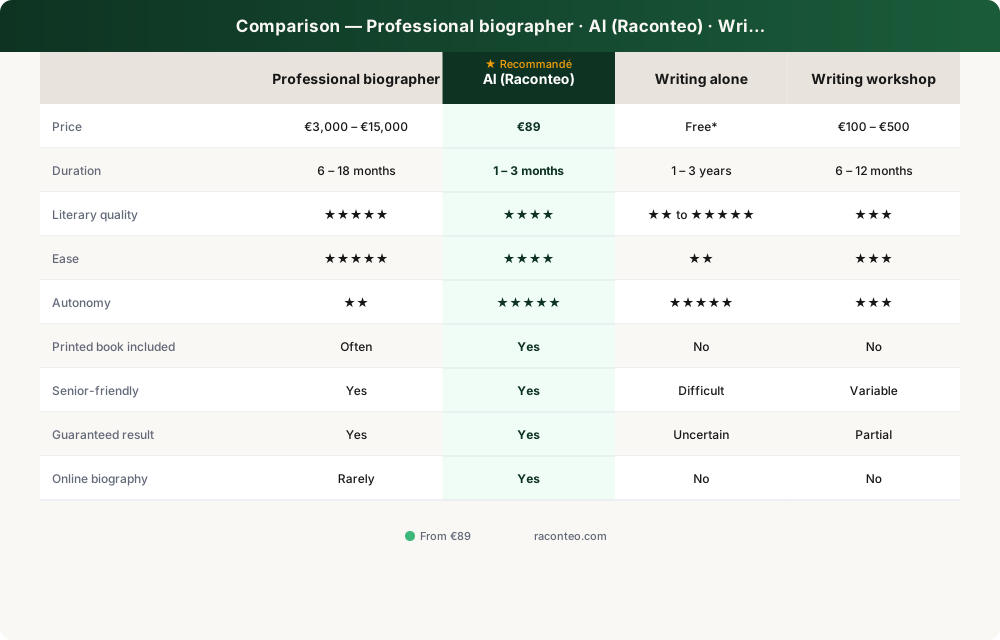
*Excluding any printing costs.
The choice depends on three factors: your budget, the time you wish to devote, and the importance you place on human support.
How to choose a professional biographer
If your budget allows and you want end-to-end human support, the professional biographer remains a high-quality option. Here's how to choose well.
Selection criteria
- Experience: how many biographies have they already written? Ask for concrete examples and, if possible, excerpts.
- Chemistry: the biographer-author relationship is intimate. You'll be sharing personal, even painful memories. Trust is essential. Meet them before signing.
- Method: how are the interviews conducted? How many sessions are planned? Do they record conversations? How do they structure the narrative?
- Contract: what exactly does the price include? Number of pages, number of revisions, layout, printing? Beware of unforeseen "extras".
- References: speak with former clients if possible. Read online testimonials.
- Timeline: when will the manuscript be delivered? Build in a margin: delays are common in this profession.
Warning signs
- An abnormally low price (below €2,000, be wary of the quality)
- No written contract
- A biographer who asks you no questions during the first contact
- Inability to read previous work
- Full payment demanded upfront
Where to find a biographer?
Several networks bring together professional biographers:
- Professional biographer networks: reference associations in your country
- Online directories: search for "biographer" or "public writer" in your area
- Word of mouth: ask around, in cultural associations, public libraries
- Online platforms: some biographers offer video conference interviews, which broadens the geographic choice
The AI alternative: how it works with Raconteo
Raconteo was designed to make online biography writing accessible to everyone. Here's how the platform guides you to have your biography written without a biographer, without technical skills and without a large budget.
The step-by-step journey
Onboarding: in 5 minutes, you fill in your profile, with your name, your era, the tone you want for your narrative (literary, conversational, informal). The platform adapts to you.
Thematic questions: Raconteo offers questions organized by themes (childhood, adolescence, professional life, love, family, travel, hardships, values). No need to wonder where to start: the path is laid out. For a preview, check our 50 questions for writing your autobiography.
The immersive interview: each question opens a response space. You type, or you speak: voice dictation is built in. The AI prompts you with follow-up questions to go deeper: "You mention your grandfather. What is the most vivid memory you have of him?"
Narrative generation: from your answers, the AI writes a structured, flowing narrative faithful to your voice. It's not a copy-paste of your words. It's a literary shaping that respects your style and intentions.
Proofreading and editing: you reread each chapter, modify what doesn't suit you, add details. You remain 100% in control of the content.
Book composition: you organize your stories into chapters, add a foreword, choose a cover. The layout is automatic.
Printing: your biography book is professionally printed and delivered to your home. You can also share it in digital format.
What sets Raconteo apart from a generic chatbot
Using ChatGPT or another chatbot to write a biography is technically possible, but it's like using a screwdriver to hammer a nail: it works poorly.
Raconteo is specifically designed for life narratives. The AI is trained to:
- Ask the right questions at the right time
- Respect chronology and narrative consistency
- Adapt the writing style to your voice
- Handle repetitions, contradictions and omissions
- Produce a print-ready book, not a raw Word document
For a detailed comparison, read our article on creating a book with artificial intelligence.
Collaboration with loved ones
A unique advantage of Raconteo: the collaboration feature. Your children, grandchildren or friends can suggest questions ("Grandma, tell us how you met Grandpa!") and receive shared stories. It's a way to create the book of your life together, as a family.
The steps to having your biography written
Whatever method you choose, the process for having your biography written follows a similar logic. Here are the key steps.
Step 1: Define your project
Ask yourself the right questions before starting:
- Who are you writing for? Your close family, your grandchildren, a wider circle? The answer influences the tone and content.
- What scope? Your whole life, a key period (childhood, career, a life-changing journey), a theme (the values you want to pass on)?
- What budget? From free to €15,000, the range is wide.
- What timeline? Do you have an event in mind (a birthday, Christmas, a wedding) for which the book would make an ideal gift?
Step 2: Gather your memories
Before diving into writing, do some memory work:
- Photos: browse your albums, your boxes of photos. Each image is a memory trigger.
- Documents: letters, postcards, diplomas, newspaper clippings, announcements. Everything is a reason to tell a story.
- Places: revisit (in person or on Google Maps) the significant places of your life.
- Loved ones: talk with your brothers and sisters, cousins, childhood friends. Their memories complement yours.
- Timeline: create a timeline of key dates (births, moves, weddings, careers, travels).
Step 3: Choose your method
Based on your budget, time and preferences, opt for one of the four methods described above. There's no wrong choice: each method produces a different result, but each result has value.
Step 4: Tell your story
This is the heart of the process. Whether you're speaking to a biographer, a microphone or a screen, the important thing is to tell with authenticity. Don't try to embellish, don't censor difficult moments, don't aim for perfection on the first try. The best life narratives are those that ring true.
Step 5: Reread and refine
No biography is perfect on the first draft. Reread, have a trusted loved one read it, adjust. It's during this phase that the text takes its final form. With a biographer, it's a back-and-forth of corrections. With Raconteo, you edit directly in the app.
Step 6: Format and print
The manuscript is ready? Time for layout, choosing the cover, integrating photos. With a platform like Raconteo, this step is automated. With a biographer, it's often included in the service. If you write alone, you'll need a graphic designer or desktop publishing software.
How much does it cost to have your biography written?
The question of biography price is central. Here's a complete and honest overview.
The professional biographer: €3,000 to €15,000
The price depends on several factors:
- Book length: 100 pages or 300 pages, the effort isn't the same
- Number of interviews: 10 hours or 30 hours of conversation
- Biographer's reputation: a recognized author charges more
- Services included: proofreading, layout, printing, number of copies
- Region: prices vary by geographic area
Typical ranges:
- Entry level: €3,000 - €5,000 (short book, junior biographer)
- Mid-range: €5,000 - €10,000 (complete book, experienced biographer)
- High-end: €10,000 - €15,000 (long book, renowned biographer, polished edition)
Raconteo: €89
Raconteo charges a one-off €89 that includes:
- Full platform access (questions, narrative AI, voice dictation)
- Unlimited story generation
- Book composition and layout
- Online sharing with loved ones
- PDF export
Printing of the bound book is included in the €89, with one copy included; each additional copy costs €39. For full details, check our pricing page.
This is what makes Raconteo the affordable biography solution par excellence: 50 times cheaper than a professional biographer, for a result whose quality surprises those who try it.
Writing alone: free (but...)
Writing yourself costs nothing, except time. A lot of time. And if you want a printed book, expect €30 to €100 for printing depending on the provider and format.
Writing workshop: €100 to €500
The cost of a workshop cycle varies by organization (association, private body) and duration (8 to 20 sessions). Note: the result is rarely a finished book.
Your biography is priceless
Beyond euros, let's remember the essential: a family biography is a priceless transmission object. What's the price of a memory of your grandmother telling about her childhood? What's the price of a letter from your father explaining his values? Exactly. The book of your life is priceless, but it has a production cost, and that cost has never been lower than in 2026.
Frequently asked questions
How can I have my biography written without breaking the bank?
The most economical solution for having your biography written without sacrificing quality is to use an AI-assisted writing platform like Raconteo. For €89, you get complete support, from guided questions to book layout, where a professional biographer would cost between €3,000 and €15,000. For more details, check our pricing.
What's the difference between a biography and an autobiography?
A biography is the account of a life written by a third party (biographer, journalist, relative). An autobiography is written by the person themselves, in the first person. When you "have your biography written" by a biographer or an AI, you're in a hybrid format: you provide the material (your memories, your voice) and a third party shapes it. For more, read our guide on how to write your memoirs.
How long does it take to write a biography?
It all depends on the method. With a professional biographer, expect 6 to 18 months. With Raconteo, most users complete their book in 1 to 3 months, with a few sessions per week. Writing alone, plan for 1 to 3 years, if you don't drop out along the way.
Will the AI make things up in my biography?
No. Raconteo's AI never fabricates content. It shapes your own answers into a structured, flowing narrative, but all the content comes from you. You reread and validate each text before it becomes part of your book. The AI is a formatting tool, not a fiction writer.
Will my biography remain private?
Absolutely. At Raconteo, your private biography is protected: your data is encrypted, your stories are never shared without your consent, and your memories are not used to train AI models. You control who can see your book. For more, check our security FAQ.
Can I give a biography as a gift?
It's actually one of the most popular uses. Giving a parent or grandparent the opportunity to have their life written is a gift of rare depth. Raconteo offers a gift card specially designed for this. Also discover our ideas for giving a memory book as a gift.
Do I need to know how to write to create my biography?
No. With Raconteo's built-in voice dictation, you can create the book of your life by speaking, without typing a single word. The AI transforms your words into quality written text. It's the ideal solution for people who are more comfortable speaking. Read our full guide: tell your life story without writing.
How do you structure a biography?
The most common structure is chronological: childhood, adolescence, adult life, maturity. But it's not the only option. You can organize your narrative by themes (family, career, travel, hardships), by places (the homes of your life), or by significant people. With Raconteo, the thematic questions help you structure your narrative naturally without thinking about it.
Take the leap: your story deserves to be told
You've read this guide, weighed the options, compared prices. Now the essential remains: taking action.
Each passing day, memories fade. Precious details (the name of the neighbour who looked after the children, the smell of your father's workshop, the exact day you made the decision that changed your life) dissolve imperceptibly. Having your biography written is freezing these moments before they disappear.
You don't need to have lived an "extraordinary" life. Your ordinary life is extraordinary for those who love you. Your grandchildren, in 30 years, would give anything to hear your voice telling how things were "back then."
With Raconteo, start for free
Create your account, answer your first questions, discover the magic of seeing your memories transformed into narrative. No credit card needed to try. No need to know how to write. Just the desire to tell your story.
Because the book of your life won't write itself, but with the right help, it will be much easier than you imagine.